

Dec. 4, 2025
When December rolls around, it can get plenty cold north of the equator. For planners stuck inside on chilly days, what could be better than grabbing a warm beverage, finding a comfy spot in front of a fireplace, and thumbing through some recommended reads? Here are some new books recently featured in the Journal of the American Planning Association (JAPA) to cozy up to this winter.
Stay in the know
These thought-provoking texts touch on some of the most important topics in planning today, including social infrastructure, housing, gentrification, and transportation. After reading each brief synopsis below, click through to read the full JAPA review. A special thanks to our JAPA reviewers: Jesus Barajas, Renia Ehrenfeucht, Ashley Kopetzky, Suzanne Lanyi Charles, and David Varady.
Our recommended books are:
Meet Me at the Library: A Place to Foster Social Connection and Promote Democracy
Shamichael Hallman, 2024, Island Press, 204 pp, $24
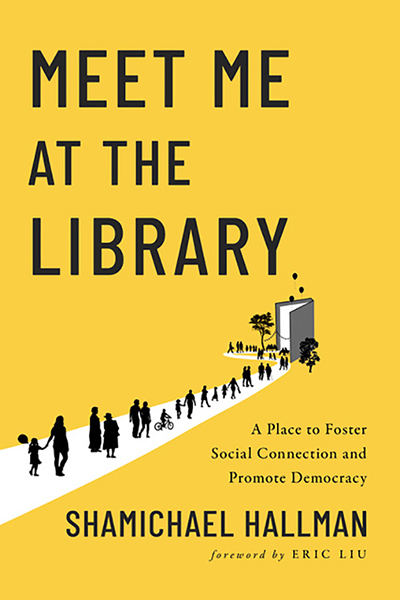
This book is a timely and grounded reminder of what libraries really are: spaces of belonging, possibility, and public trust. In chapters that feel more like generous conversations than institutional cases, Hallman shares stories from libraries of different sizes. At Memphis Public Library, for example, during COVID-19, many branches in the city sewed masks, provided test kits, and joined statewide vaccination efforts while acting as clinics. In Massachusetts, the Cambridge Cooks program uses the library kitchen to foster connection through demonstrations: learning to create flatbread, using typical grocery goods, or highlighting heritage cooking throughout a month. In Colorado, the Mesa County Library is home to the Discovery Garden, which offers educational experiences, food, and rest areas, featuring pollinators, a children's garden, food plots, and solar-powered irrigation.
For planners, the book raises important questions about place-based justice. What makes a space both public and safe or accessible and responsive? Hallman shows us what happens when libraries become places of dialogue, where people gather to solve problems, share ideas, and feel seen.
Read the full JAPA review by Ashley Kopetzky, Cornell University.
The Equitably Resilient City: Solidarities and Struggles in the Face of Climate Crisis
Zachary B. Lamb and Lawrence J. Vale, 2024, The MIT Press, 480 pp, $45
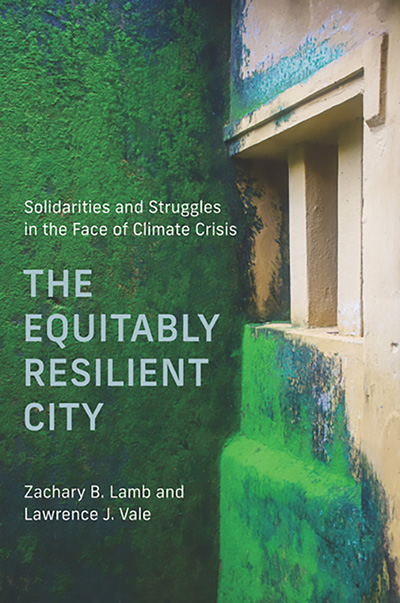
The Equitably Resilient City offers 12 cases in which people seek better lives in their local circumstances. To synthesize the insight and lessons from the cases, Lamb and Vale have developed the LEGS framework — Livelihoods, Environment, Governance, and Security — to emphasize four pillars for resilience that are holistic and reflect place-based changes to improve housing and local environments, secure land tenure, build livelihood opportunities, and further self-governance.
These stories show planning in action; sometimes effective, sometimes less so. All the cases represent efforts to address intersecting issues in innovative ways, grappling with entrenched interests and power dynamics.
Read the full JAPA review by Renia Ehrenfeucht, University of New Mexico.
The Right to Suburbia: Combating Gentrification on the Urban Edge
Willow S. Lung-Amam, 2024, University of California Press, 384 pp, $29.95
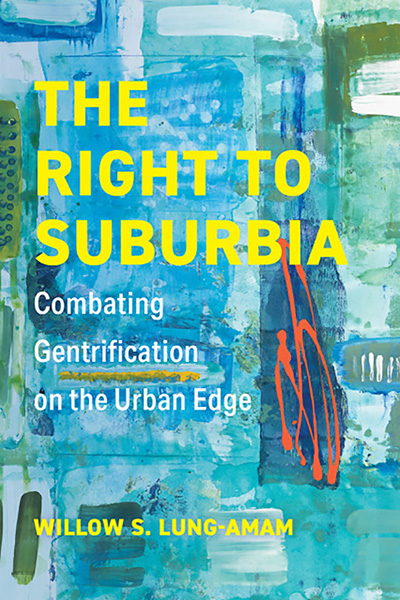
The Right to Suburbia offers a compelling exploration of the dynamics of neighborhood redevelopment in the suburbs of Washington, D.C. Through richly detailed case studies of three suburban communities, it examines how marginalized groups — particularly immigrants and people of color — navigate and resist the forces of gentrification and displacement.
It also issues a call to practicing planners and policymakers: Redevelopment must be guided by an understanding of who benefits and who bears the costs. The author reminds us that planning tools such as tax credits and upzoning — commonly used to incentivize reinvestment — can inadvertently harm existing communities if not deployed with care and deep community engagement.
Read the full JAPA review by Suzanne Lanyi Charles, Cornell University.
The Projects: A New History of Public Housing
Howard Husock, 2025, NYU Press, 240 pp, $29.95
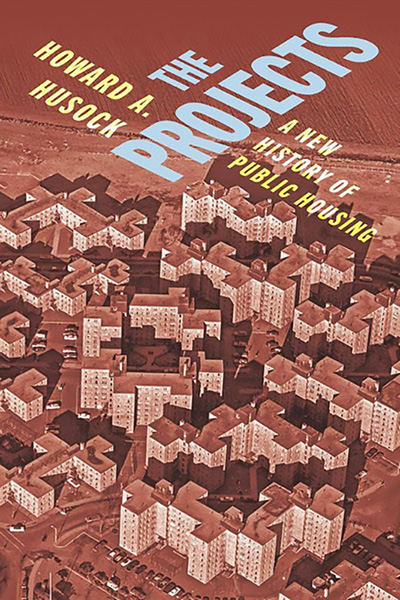
This book seeks to explain the rise and fall of public housing, commonly referred to as "the projects," and focuses on the origins of the public housing movement. The author argues that projects did not emerge from the grassroots or from public officials, but from intellectuals and ambitious architects who "failed to take into account the social fabric ― the web of institutions and relationships ― found in the communities that were literally destroyed, replaced by artificial substitutes lacking them."
It is timely and should be required reading for policymakers, planners, and activists who are trying to create a viable low-income housing policy in the midst of the current political turmoil.
Read the full JAPA review by David Varady, University of Cincinnati.
Dividing Lines: How Transportation Infrastructure Reinforces Racial Inequality
Deborah N. Archer, 2025, W.W. Norton & Company, 272 pp, $29.99
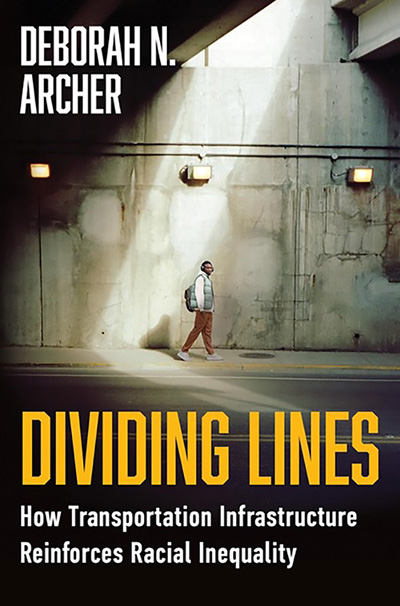
Decades of transportation planning, chiefly through construction of the interstate highway system, displaced thousands of households, upended communities, and forever changed mobility in America's cities. While undoubtedly many have benefited from this new form of mobility, the negative effects have accumulated primarily to Black communities, from losses of generational wealth among those who lost their homes and moved away to poor health outcomes and through environmental damage borne by those who remained.
This book tells this history of highway construction, urban renewal, and the broader effects of transportation planning on communities of color through new evidence of planning actions and community resistance to not only the interstate highway system, but also to other government actions that used state and local roads, the rail system, and even pedestrian infrastructure as physical barriers that segregated and oppressed communities.
Read the full JAPA review by Jesus Barajas, University of California, Davis.
RECOMMENDED ARTICLES