

Dec. 18, 2025
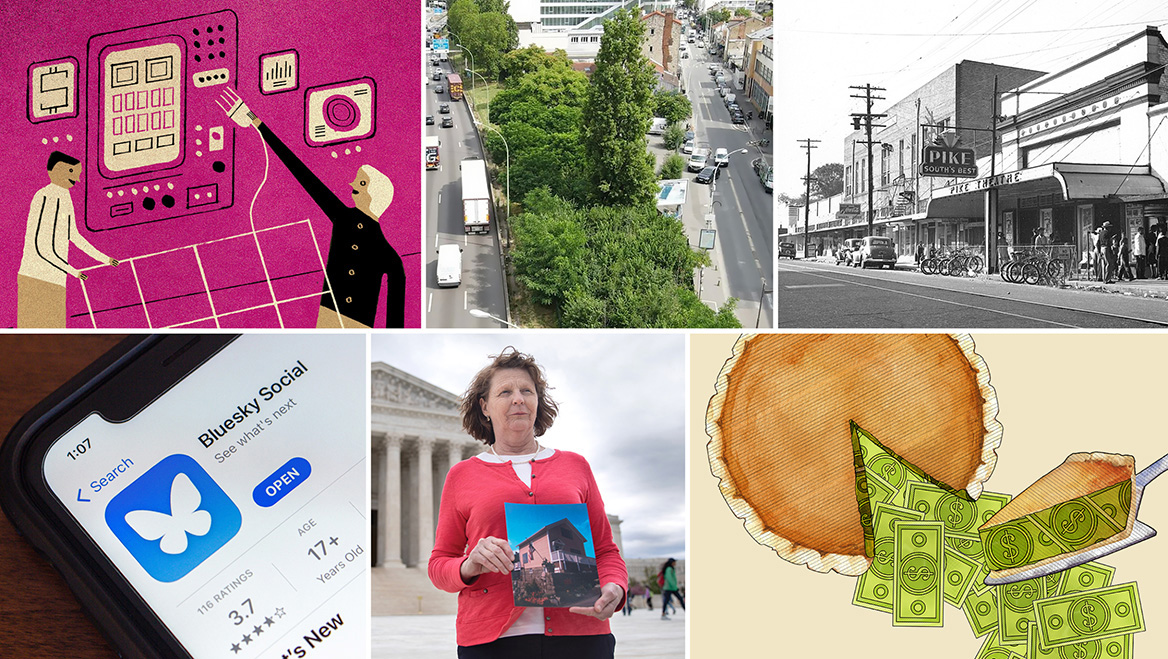
From a casket factory reborn as affordable housing to corner stores revamped as cafes, Planning readers gravitated in 2025 to stories centered on adaptive reuse and economic development. This year's most popular pieces also examined the pros and pitfalls of artificial intelligence (AI), revisited the consequences of Kelo v. New London, and what planning trends were on the horizon.
Check out Planning's Top 10 most-read stories to see what you might have missed. And, if you have ideas of what we should cover in 2026, let us know.
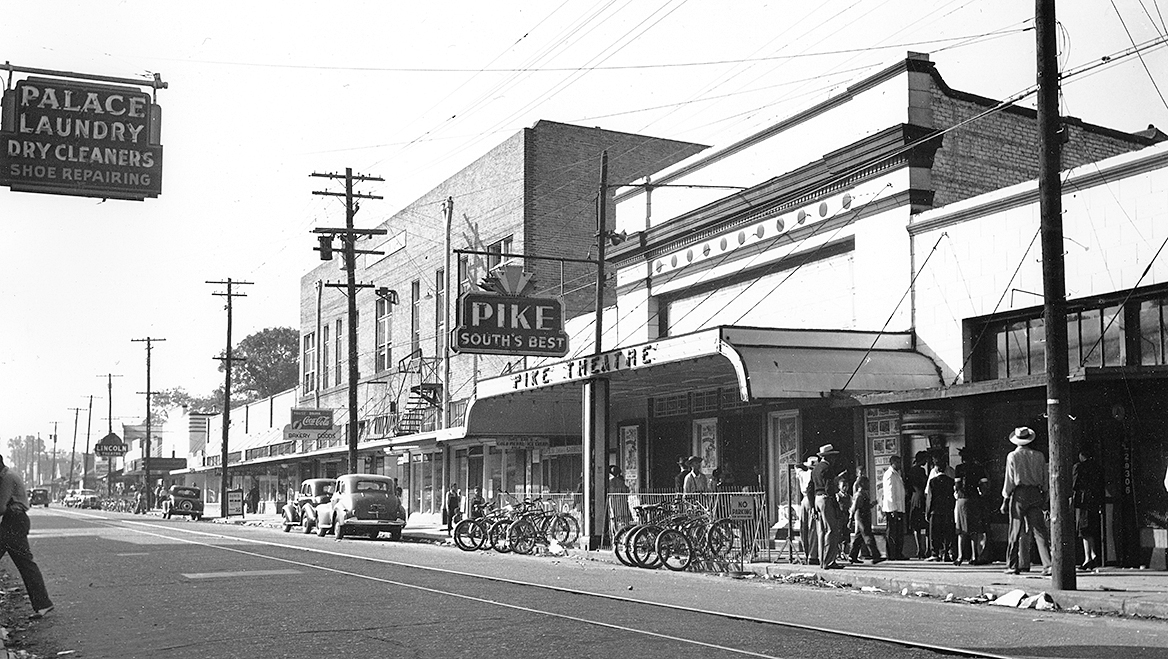
Patrons line up outside the Pike Theater on Davis Avenue in this vintage photo from Mobile, Alabama. The street marked the epicenter of Black culture and business. Photo courtesy of Julius E. Marx Collection, The Doy Leale McCall Rare Book and Manuscript Library, University of South Alabama.
10. Reviving Black Main Streets
Despite being historic hubs for many communities, Black Main Streets have faced decades of economic and social decline, largely because of mid-20th-century federal policies. Plans to revive The Avenue in Mobile, Alabama, highlight how city planners, officials, and community members can collaborate to revitalize Black Downtowns while preserving their cultural heritage.
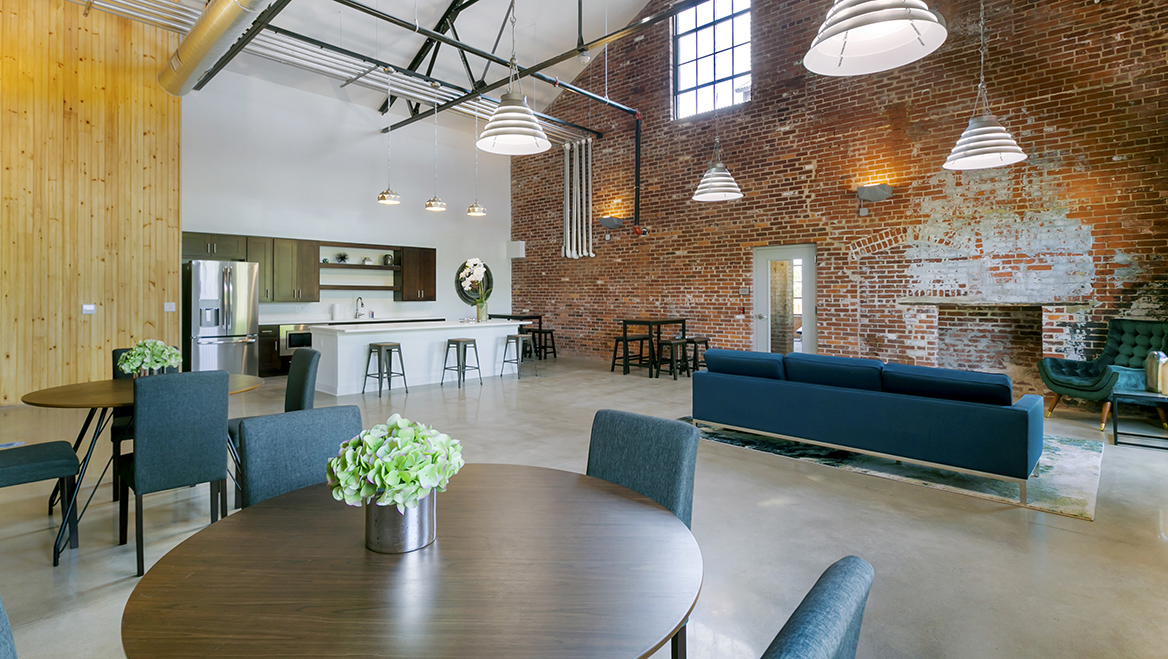
The Willows at East Greenville, an adaptive reuse project in Montgomery County, Pennsylvania, required preservation of the historical character of the century-old buildings. Photo courtesy of Ingerman.
9. Adaptive Reuse Revives a Casket Factory as Affordable Housing
A Montgomery County, Pennsylvania, development may have spent its early days as a casket factory, but now it has a new life as a mixed-income housing development. As cities contend with the affordable housing crisis, many are turning to adaptive reuse. In Newark New Jersey, for example, hundreds of apartments are being created in former office buildings. "It's also a sustainable way to develop when we have these buildings that are still in good condition, not just aesthetically but also structurally," said Pallavi Shinde, AICP, PP, the city's planning and zoning director.
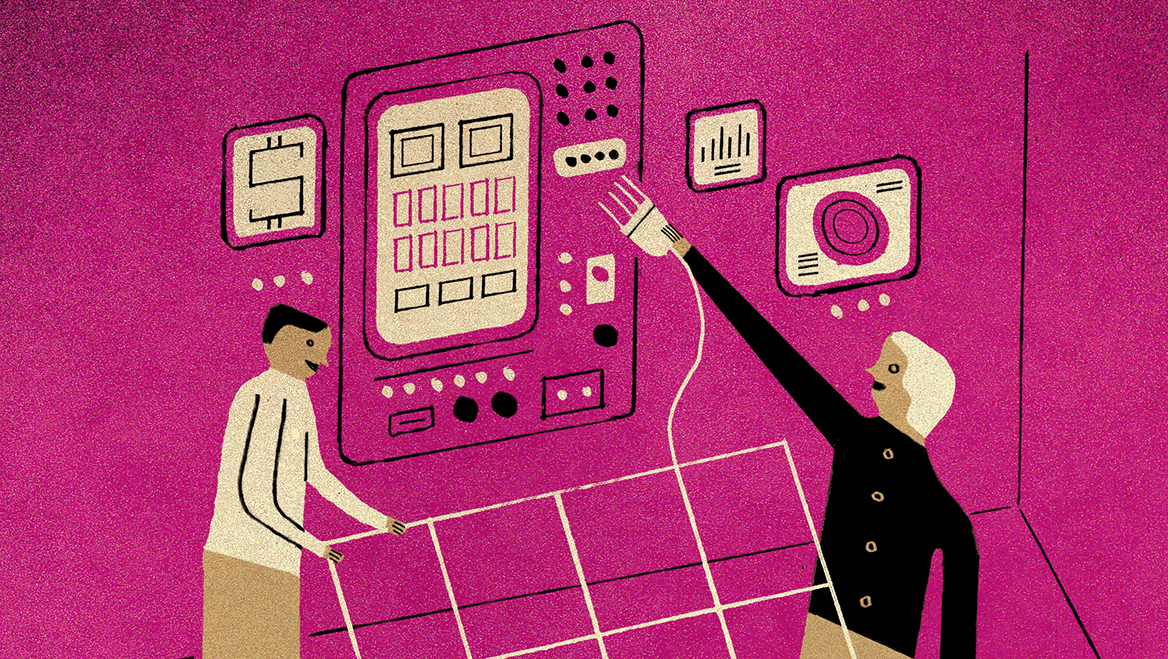
Illustration by David Plunkert.
8. Can AI Empower Planners to Accomplish More with Less?
As municipalities adapt to recent funding cuts and evolving federal policy, AI has become a tool to accomplish more with fewer resources. Officials in Sandy Springs, Georgia, use AI for data analysis and other projects, while Delaware, Ohio, personnel are experimenting with the technology to optimize building layouts. But skepticism around these tools — and the ethics of AI use — also remains prevalent.

Employers recognize the value an AICP-certified planner brings to the organization. Sources for illustration: Natalia Arsenova, jemastock, VeraMakeeva, Pikusisi-Studio/iStock/Getty Images Plus. Illustration by Catherine Bixler.
7. New Salary Survey Reveals AICP Planners Make More Than Their Peers
The American Institute of Certified Planners (AICP) credential may help planners safeguard their careers and compensation in unpredictable times, according to a recent survey from the American Planning Association (APA). "We know that AICP is more than just some letters after your name — it's a community of professionals who support each other and follow a code of ethics that helps make sense of the work we do," said Erin N. Perdu, AICP, president of the professional institute.
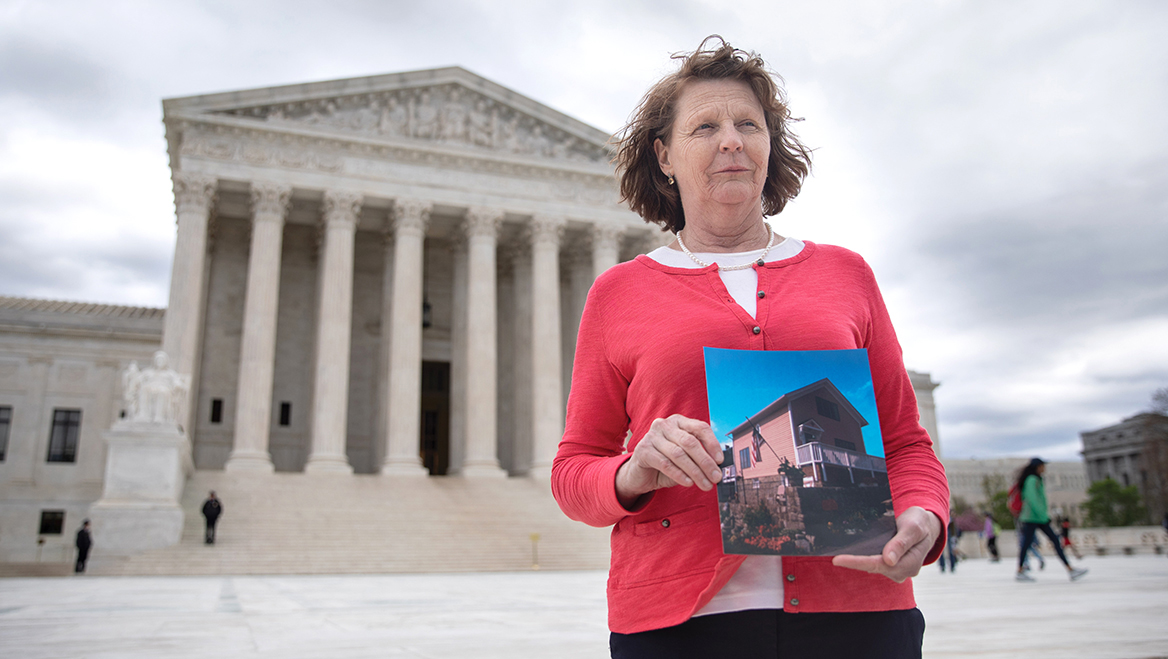
Susette Kelo, in front of the Supreme Court of the United States, holds a photo of her "little pink house," made famous by the 2005 Kelo v. New London court case. Photo courtesy of Institute for Justice.
6. 'Kelo' Revisited: 20 Years Since the Controversial Eminent Domain Case
Two decades after Kelo v. New London determined economic development was a constitutional foundation for the use of eminent domain, Planning looked back at the historic U.S. Supreme Court Case — and how it led to changing laws in more than 40 states.
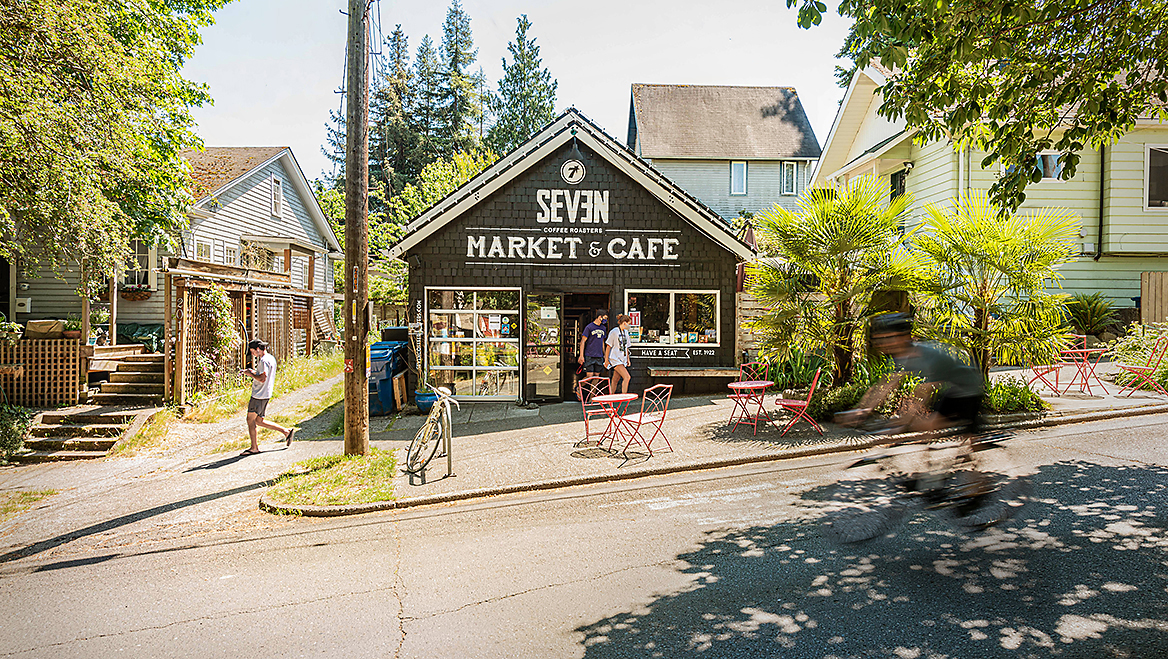
Seven Market & Cafe in Seattle's historic Ravenna neighborhood is the type of corner store that the city is working to bring back. Photo courtesy of Sam Kraft.
5. How the Push to Revive 'Ghost Stores' Can Bring Back Hyperlocal Communities
Urban historic neighborhoods once revolved around corner stores and cafes, but many of these beloved businesses shuttered in the '80s as policy shifted to support big businesses and chains. But these vacant spots are making a comeback as community cafes and markets. "Nationally, a lot of communities are looking at creating more vibrant communities, and this definitely should be something they consider," said Lisa Pool, AICP, a planner and public policy consultant at the Municipal Research and Services Center (MRSC) in Seattle.

Bluesky doubled its user base in a three-month period from October 2024 to January 2025. Photo by Koshiro K/Shutterstock.
4. What Makes Bluesky the New 'It' Space for Urbanists
Over the past year, some planners turned to newer social media platforms, such as Bluesky, to share their ideas and build community with other urbanism-minded folks. "I use social media to refine the messaging that I use in my practice and in my presentations and communications," said Brent Toderian, former chief planner of Vancouver and founder and principal of TODERIAN UrbanWORKS. "Twitter had been, and now Bluesky is, the best way for me to test and refine my message."
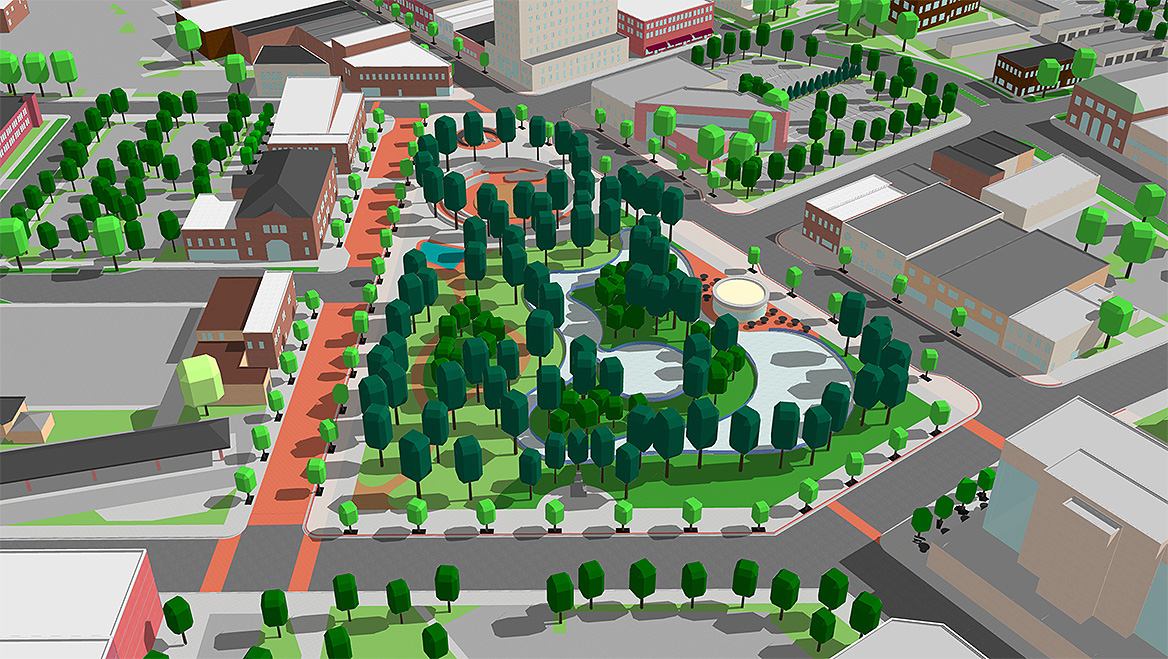
A 3D model in SketchUp shows the potential for an expansion to the grounds of the opera house in Oshkosh, Wisconsin, including an amphitheater for outdoor concerts and tree-lined paths surrounding green space. Source: Oshkosh Downtown Redevelopment Plan.
3. Tech Tools to Visualize Your Urban Design
How we experience our communities is shaped, in part, by the design of the urban realm. The APA Technology Division highlighted four tech tools — including advanced 3D modeling and design evaluation software — that empower planners to support data-informed decision-making and envision projects before construction even begins.

After five years, l'Association Boomforest's first mini forest using the Miyawaki method on the Porte de Montreuil embankment in Paris, France, showed self-sufficient growth and an adaption to its environment in 2023. Photo courtesy of l'Association Boomforest (boomforest.org).
2. The Magic of Mini Forests
From St. Paul, Minnesota, to Lyon, France, communities are planting mini forests to increase biodiversity, combat increasing urban heat, and create an oasis of green in otherwise barren sites. These forests rely on the Miyawaki method, which involves planting dense and diverse forests of native trees that ultimately become self-sustaining.
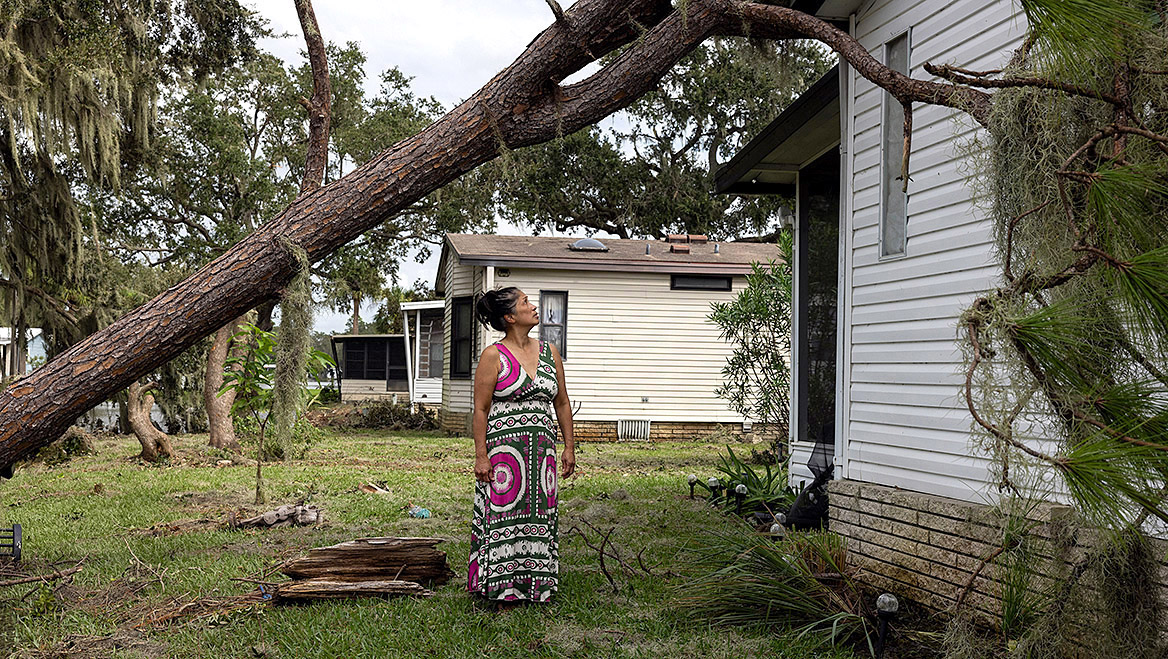
In Florida and elsewhere, manufactured homeowners often do not — or cannot — get insurance. Photo by Caitlin Ochs/The New York Times.
1. Need-to-Know Trends for Planners in 2025
In advance of the 2025 Trend Report for Planners, Planning spotlighted seven trends to help planners stay a step ahead in changing times, including the blurring lines between work and leisure, using fungi to shift away from fossil fuels, and the changing concept of family. Also, keep an eye out for the 2026 Trend Report for Planners, featuring 100 existing, emerging, and potential future trends.
RECOMMENDED ARTICLES