

AI-Powered Biotech
About This Trend
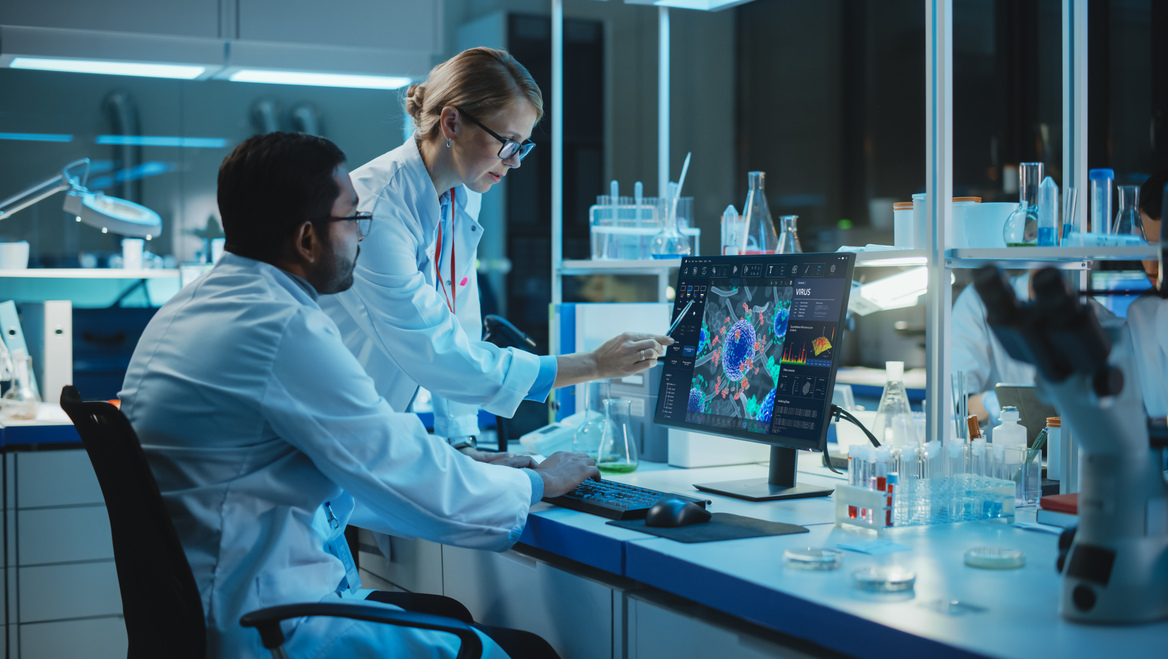
The convergence of artificial intelligence (AI) and biology is transforming the pace and scale of biological discovery, with major implications for national economic growth. Since Google DeepMind's 2020 release of an AI system capable of rapidly predicting 3D protein structures, the biotech sector has accelerated toward a future in which engineered biological systems could improve human health, agriculture, environmental resilience, and industrial processes. The World Economic Forum has identified dual-use risks, including potential misuse for bioweapons, as a major caveat of widespread AI-enabled bioengineering. Still, China is increasingly positioning biotechnology as a strategic asset; meanwhile, the U.S. might lose technical experts due to recent cuts in research and development.
For planners and their communities, this transformation will influence regional economic development strategies, workforce and educational needs, public health preparedness, environmental management, and land use decisions for emerging research hubs and manufacturing facilities. Understanding this trajectory is critical for communities preparing to navigate both the opportunities and risks of the growing bioeconomy.
Trend Reports